


Dedicated To The UK’s Last Wild Cat Species
The European Nature Trust is participating in the national effort to restore populations of the Scottish Wildcat. The species was once common across Britain, but through persecution, habitat loss, disease, and hybridisation with domestic cats, they were almost entirely wiped out.
Britain’s last remaining native felid and one of the few remaining predators, the species’ survival is crucial for the regulation of the Highland ecosystem. The International Union for the Conservation of Nature has already declared the species ‘functionally extinct’ in the wild; without a strategic program to bolster the species’ genetic health, the Scottish wildcat will be lost forever.
We Are Participating In The Recovery Of
The Scottish Wildcat
The European Nature Trust is an active supporter of Saving Wildcats, an ambitious recovery project led by the Royal Zoological Society of Scotland (RZSS), in collaboration with national and international partners. Our funding enabled the construction of a wildcat breeding enclosure at Alladale Wilderness Reserve and kittens from Alladale have helped increase genetic diversity at RZSS’s breed-for-release centre at the Highland Wildlife Park.
In 2023, Saving Wildcats announced the first successful releases of Scottish Wildcats in the Cairngorms National Park, with a second set of cats released in 2024. Since these two releases of 28 adult cats, over 20 kittens have been born in the wild, proving the success of the programme and boosting the reintroduced population. We will continue to support further releases as the species is brought back from the brink of extinction.


Achievements

1 breeding centre established at Alladale

8 kittens born at Alladale across 2018–2020

56 wildcat kittens born at RZSS’s Saving Wildcats breeding for release centre

28 adult wildcats released into the Cairngorms National Park
“When one tugs at a single thing in nature, he finds it attached to the rest of the world.”
John Muir,
Naturalist & Environmental Philosopher
Play your role in the recovery of Scotland’s ecosystems:
By visiting Alladale Wilderness Reserve, you can engage with the movement to restore the Highland ecosystem. Watch red squirrels, ptarmigan and golden eagles; explore Alladale’s pioneering restoration efforts; and reconnect with true nature.
UK News & Stories
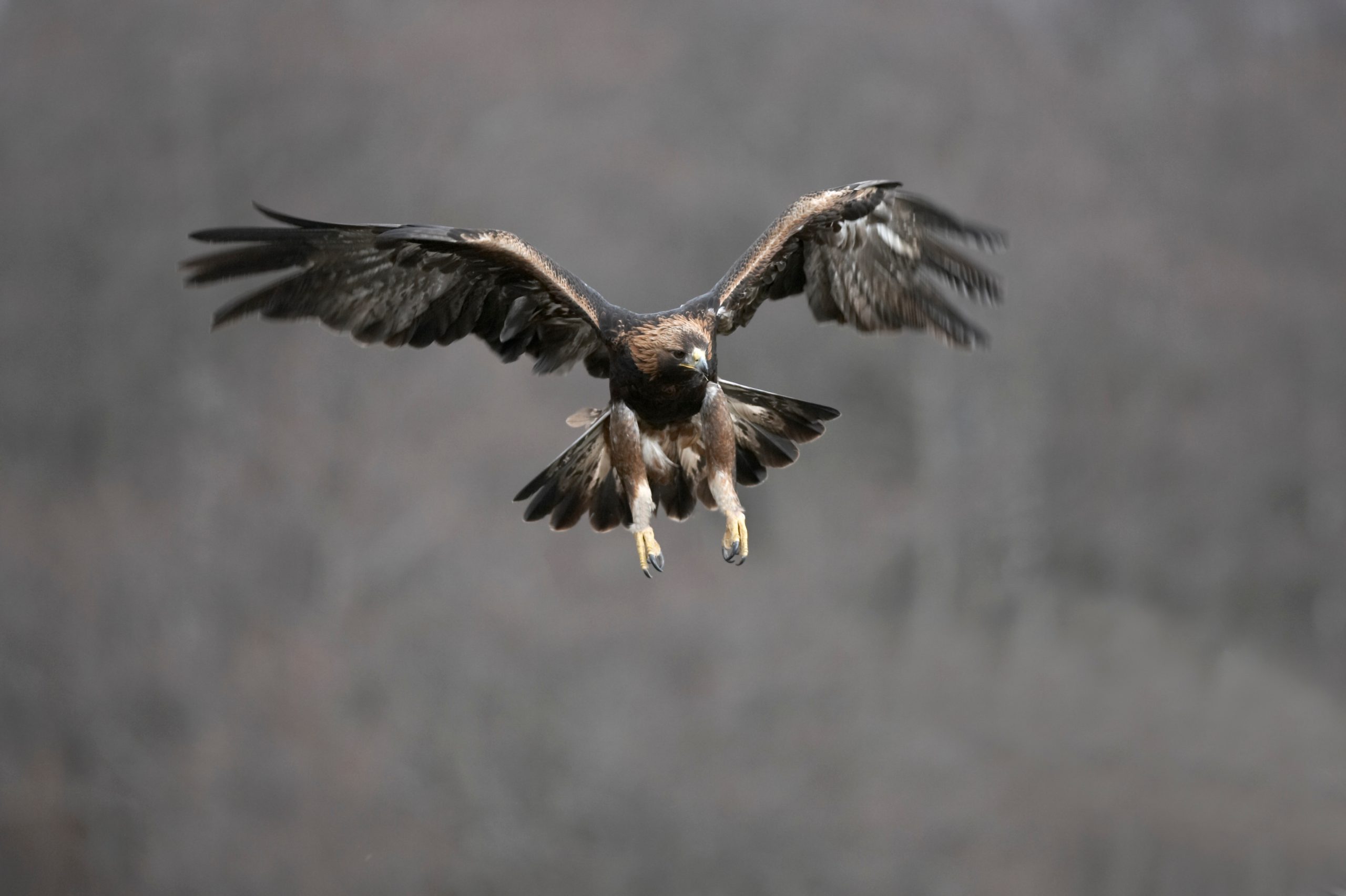
Using Satellite Tracking to Support Golden Eagle Conservation in Scotland
Follow the journey of a young golden eagle across Scotland as satellite tracking reveals new insights for conservation.
Read More
Scottish Wildcat Frequently Asked Questions
Find answers about the Scottish wildcats.
The IUCN has declared the Scottish wildcat functionally extinct in the wild. Without a strategic programme to strengthen its genetic health, the species would be lost forever. Conservation breeding and releases by Saving Wildcats are now helping to bring it back from the brink.
The Scottish wildcat was once common across Britain. Persecution and habitat loss drove its decline, along with disease and hybridisation with domestic cats. Together these threats almost wiped out the species.
Saving Wildcats is a recovery project led by the Royal Zoological Society of Scotland (RZSS) with national and international partners. It breeds Scottish wildcats for release at RZSS’s breed-for-release centre at the Highland Wildlife Park. The centre has produced 56 wildcat kittens.
Saving Wildcats carried out the first releases of Scottish wildcats in the Cairngorms National Park in 2023, with a second release in 2024. In total, 28 adult wildcats were released. More than 20 kittens have since been born in the wild, boosting the reintroduced population.
The European Nature Trust funded the construction of a wildcat breeding enclosure at Alladale Wilderness Reserve. Eight kittens were born at Alladale between 2018 and 2020. Kittens from Alladale have helped increase genetic diversity at the Highland Wildlife Park breeding centre. TENT will continue to support further releases.
The Scottish wildcat is Britain’s last remaining native wild cat and one of the few remaining predators. Its survival is crucial for regulating the Highland ecosystem.
Yes. Visitors to Alladale Wilderness Reserve can watch red squirrels, ptarmigan and golden eagles. They can also explore Alladale’s restoration work and engage with the movement to restore the Highland ecosystem.
