


A new model of land stewardship
The European Nature Trust is partnered with the Pioneers of Our Time Foundation, whose goal is to regenerate the Muga Valley in Catalonia. Through an ecosystem-based approach supported by local communities, Pioneers aims to create a new model of land stewardship for replication to other European valleys.
As partners, TENT provides support to help drive the increasing scale of the foundation’s operations. Active across a 100,000 hectare area that has become threatened by the impacts of climate change, Pioneers of Our Time is establishing new principles of low-intervention forest management, river stewardship and restoration, keystone species recovery efforts, and natural capital approaches to environmental restoration. TENT is strategically providing support for the project’s communications arms, helping to strengthen the communication with local and international stakeholders, activate press engagement and support key media projects to ultimately expand the vision of a regenerating Muga Valley.

The Muga Valley
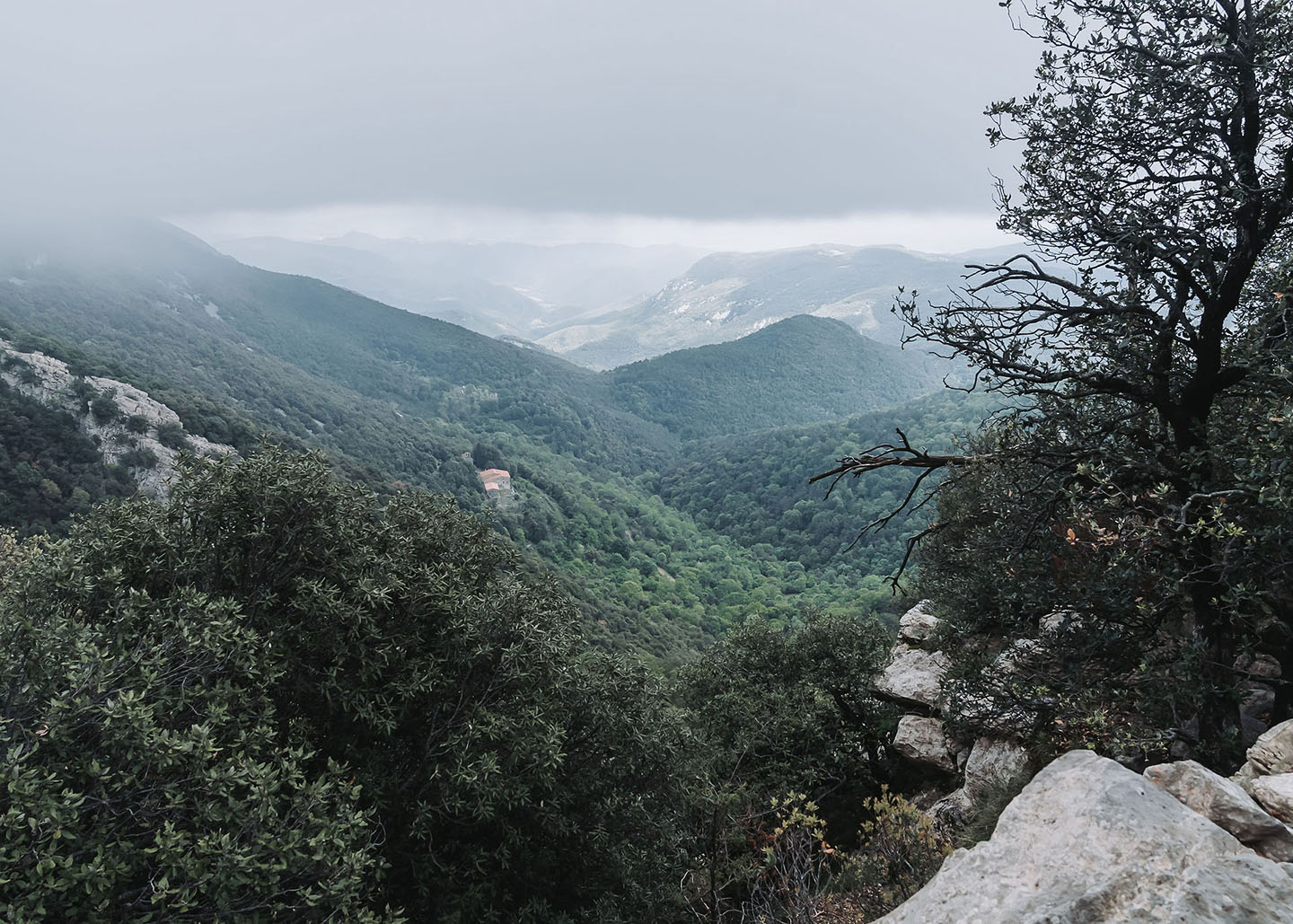
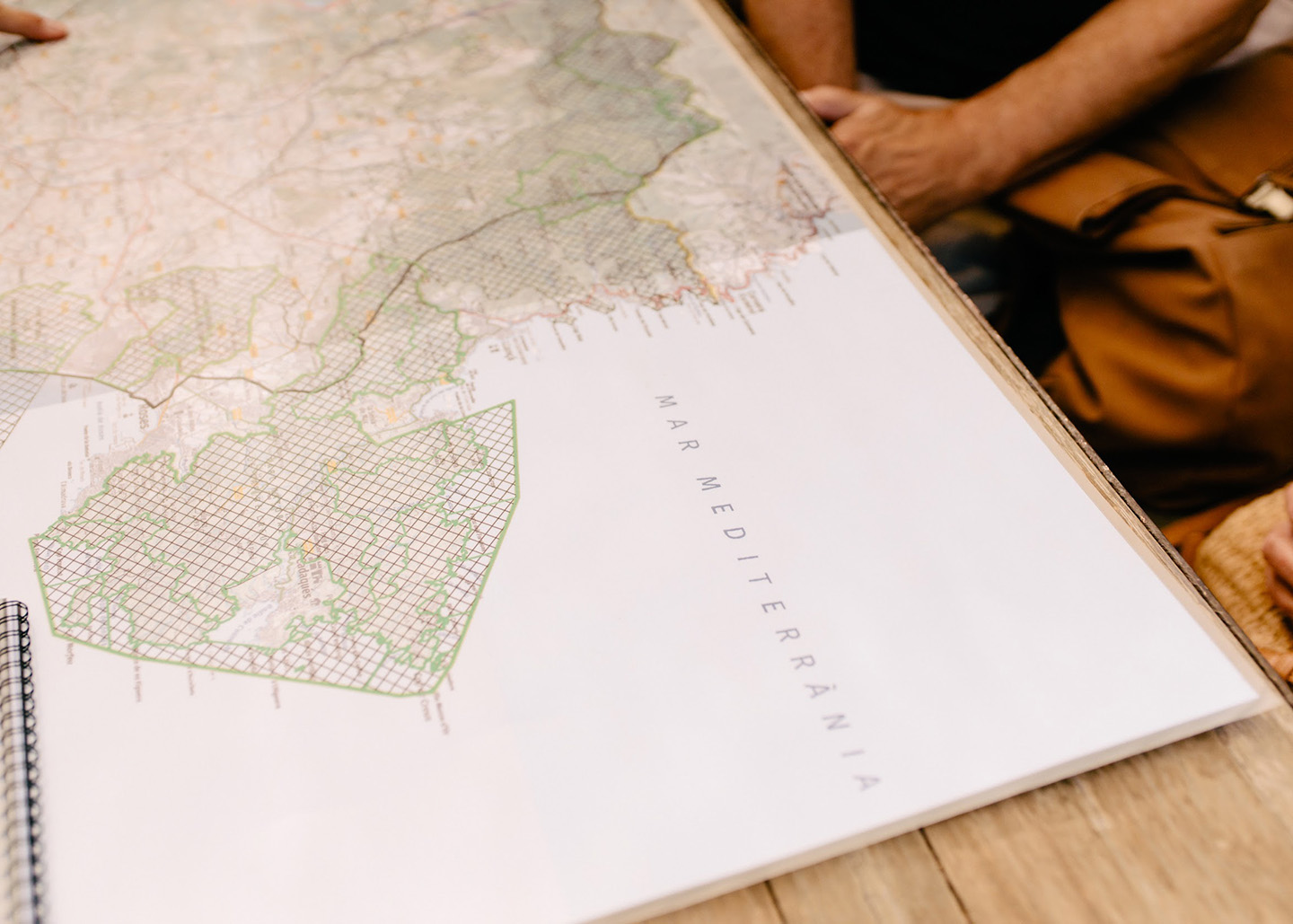
The Muga Valley region is situated in northeast Spain, close to the border with the French Pyrenees. Pioneers resilient landscape approach is segmented into five core areas: forest management; generating ‘climate credits’ based on the favourable management of water, biodiversity protection and verified carbon sequestration; river stewardship; protected areas management; and the restoration of ecosystem processes through the reintroduction of missing keystone species. Pioneers places strong focus on community-led programmes, demonstrating the value of ecological restoration and protection with the immediate beneficiaries in the local communities of the Muga Valley.
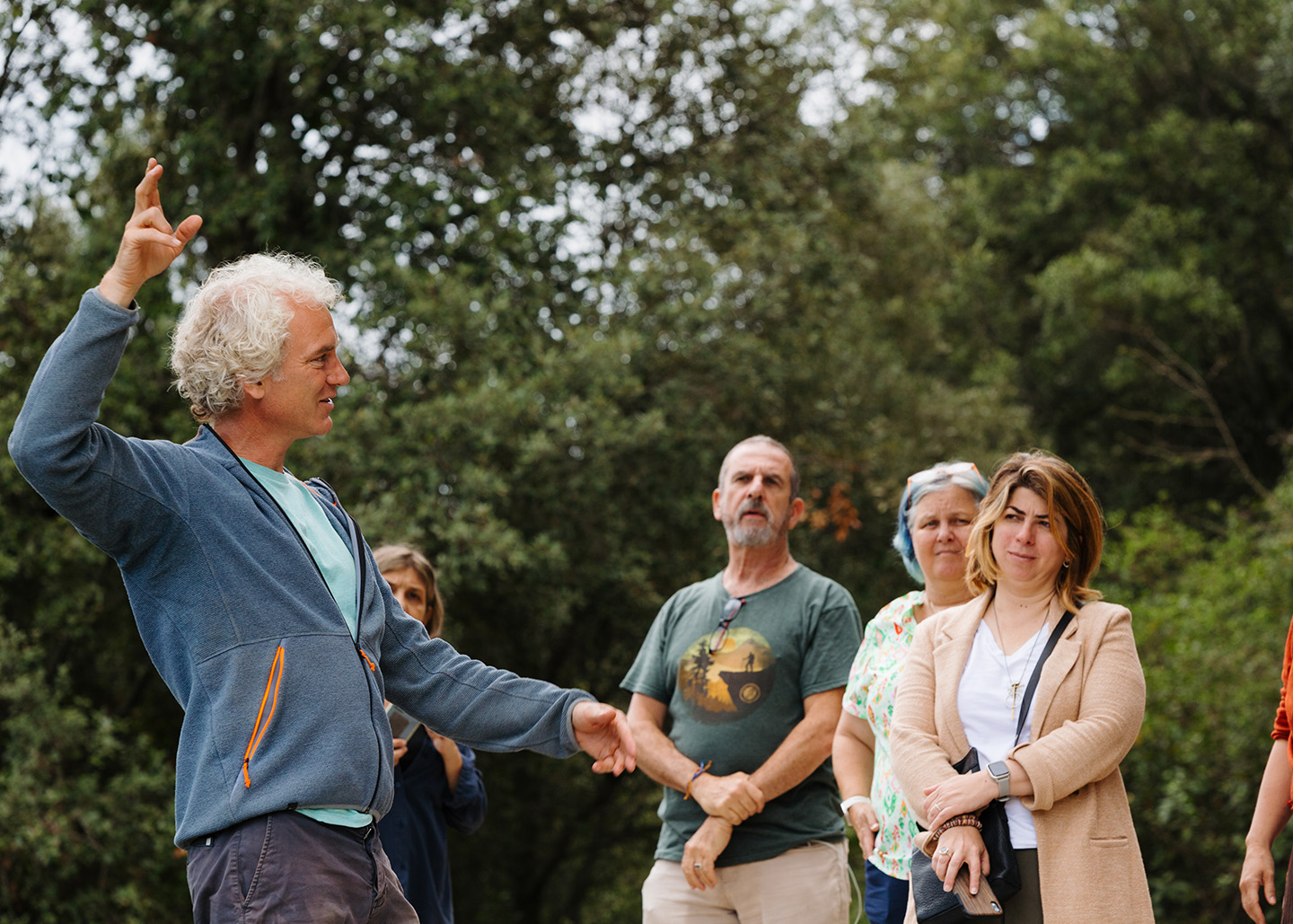
“We embrace a holistic, systems-thinking approach, collaborating closely with our neighbours and other key stakeholders to drive meaningful change.”
Stef van Dongen
Founder, Pioneers of Our Time Foundation
Amplifying a range of environmental programmes
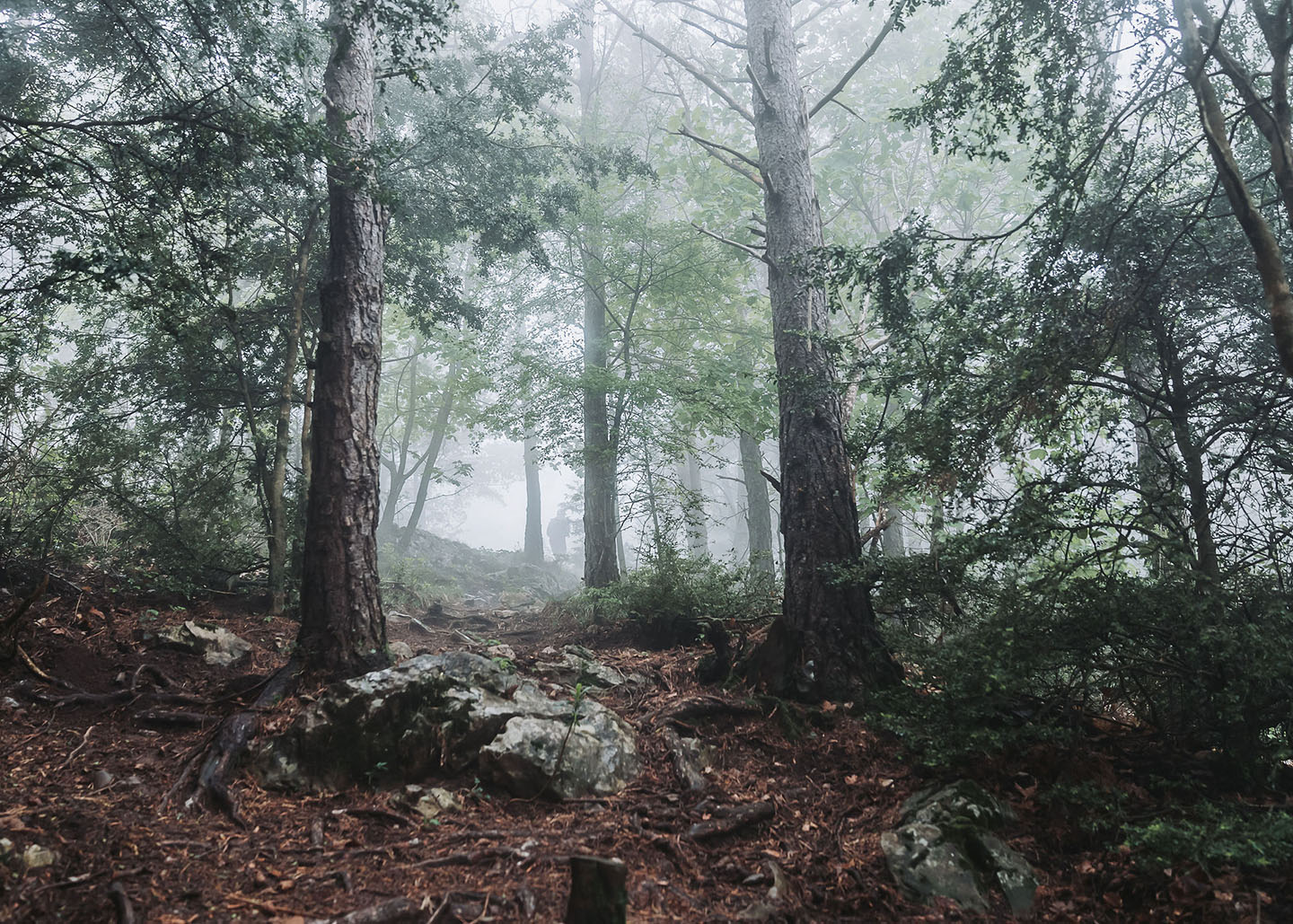
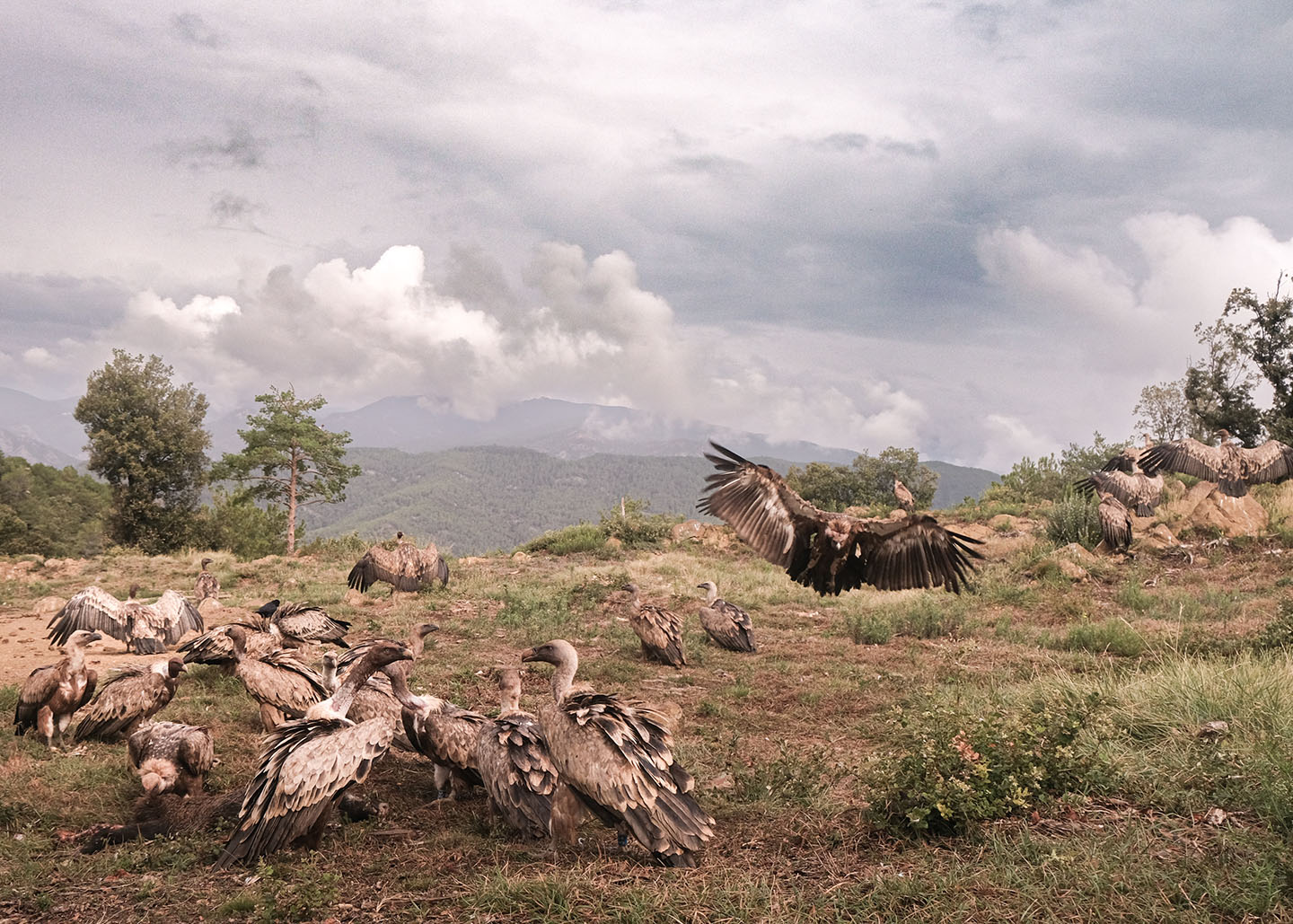
Low-intervention forest management is essential for healthy, resilient forests and soils. In the Muga Valley, Pioneers is enhancing the forest’s ability to store carbon, regulate water, and support wildlife. Management also reduces wildfire risk – an increasing impact of climate change and land-use change. These practices ensure forests stay vibrant and sustainable for future generations. Increasingly, novel forms of financing are needed to engage the private sector with conservation outcomes, from which there are broad benefits. A new ‘climate credit’ has been created by Pioneers, which verifiably enhances water quality, sequesters carbon, and supports the protection of native wildlife. The interventions underpinning these credits ensure a steady water supply for Costa Brava North, which is crucial under the increasing periods of drought experienced in the region. Businesses and individuals can use them to offset their environmental impact and help increase the resilience of their local landscape. Protected areas form a core part of the foundation’s work: Pioneers manages 3 Natura 2000 sites of 5000 hectares: Massís de les Salines, Penya-segats de la Muga and Garriga d’Empordà. Their work ensures the conservation of these vital landscapes, benefiting wildlife and local communities. In the river corridor stewardship program, Pioneers collaborates with more than 40 local stakeholders to restore and protect 23 kilometers of the Muga River. This effort enhances water quality, ensures reliable water supply, supports wildlife, and promotes healthier ecosystems. Integrated with forest management, our activities stabilize riverbanks, reduce erosion, and filter pollutants. Critically, plans are already in motion to explore further reintroductions of missing keystone species to the Muga Valley region; the work has already begun with the reintroduction of Egyptian, Black and Bearded vultures, species that had experienced a century-long absence.

Pioneering new techniques for landscape-scale water stewardship and river restoration.

Low-intervention forest protection and restoration strategies, including the development of new biodiversity-focused climate credits.

Restoring missing species from the ecosystem, including scavengers and predators.
Discover more about the Muga Valley Partnership project and the Pioneers of Our Time Foundation
