
Following a young golden eagle across the Scottish Highlands, satellite tracking is revealing new insights into the species’ behaviour and the landscapes it needs to thrive.
Across the mountains and remote glens of Scotland, golden eagles are a powerful symbol of the country’s wild landscapes. However, the species continues to face threats from illegal persecution, habitat degradation and the historic impact of organochlorine pesticides, including DDT.
The European Nature Trust is helping to advance research into these remarkable birds through our support for the Roy Dennis Wildlife Foundation. Using advanced monitoring technologies, including satellite tracking, the Foundation is providing valuable insights into golden eagles’ movements, behaviour and habitat use, helping to inform effective conservation action.
The History of the Golden Eagle in Scotland
With a wingspan of up to two metres, golden eagles are among the UK’s largest birds of prey. Adults are recognisable by their dark brown plumage and the golden sheen on their heads and necks. They inhabit mountainous landscapes, high moorlands and remote islands, where they hunt mammals and birds.
Golden eagles suffered significant population declines in the UK, largely as a result of persecution and habitat changes. During the 1950s and 1960s, organochlorine pesticides also affected birds of prey, causing eggshell thinning and reducing reproductive success. Since gaining legal protection in 1954, golden eagle populations have gradually recovered. A national survey in 2015 recorded 508 territorial pairs in Scotland, where almost all of Britain’s golden eagles are now found.
Although there are encouraging signs of recovery, many former breeding territories in Scotland remain unoccupied. Understanding how young eagles disperse, where they find food and which landscapes they favour is therefore important in helping to inform future conservation efforts.
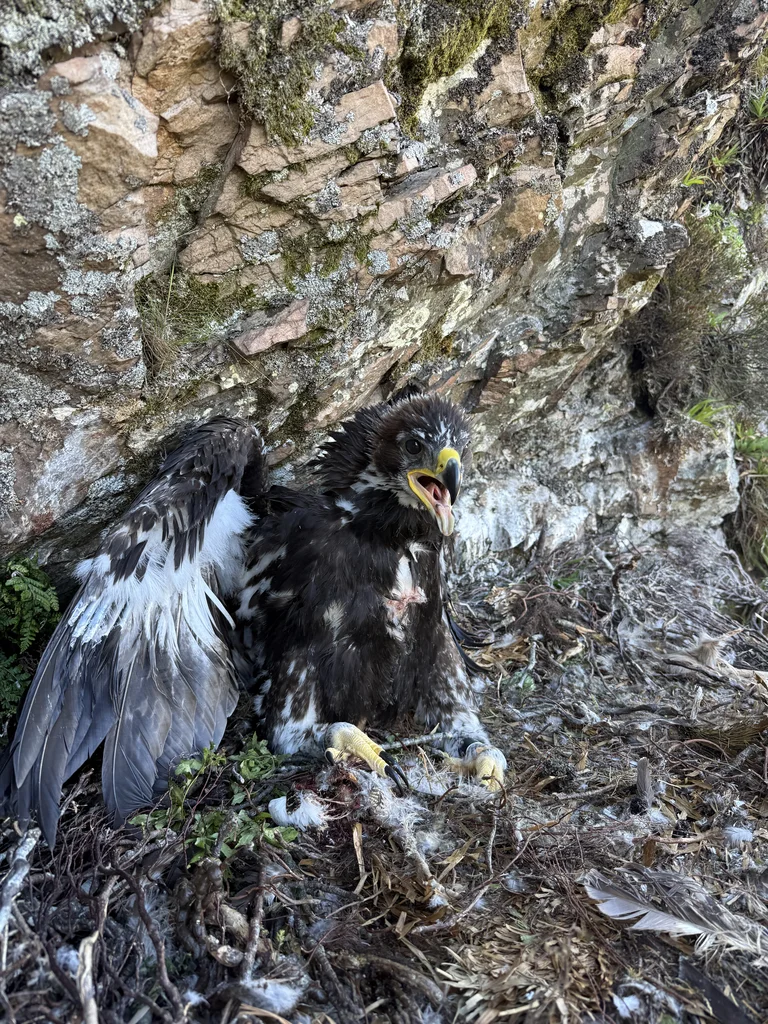
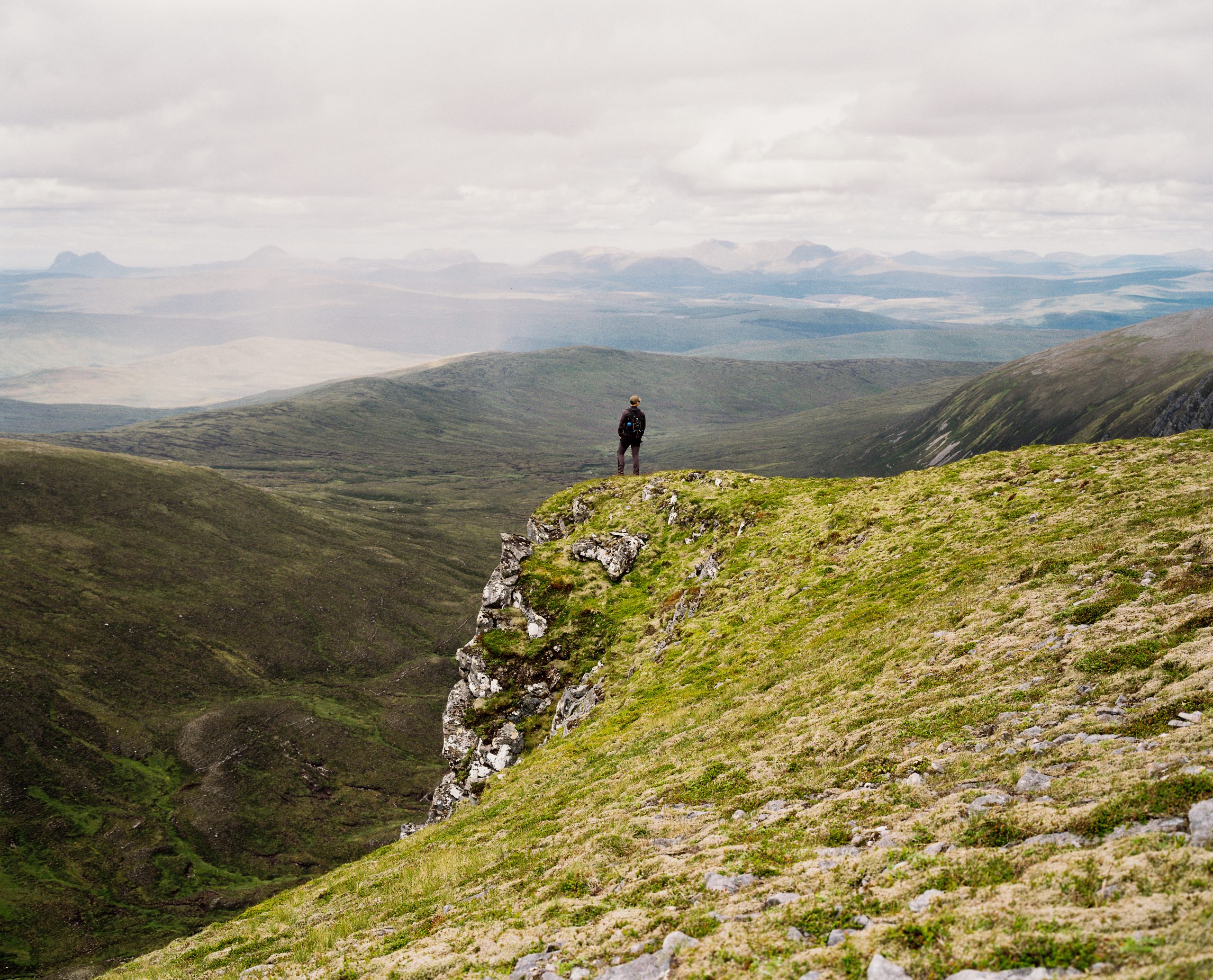
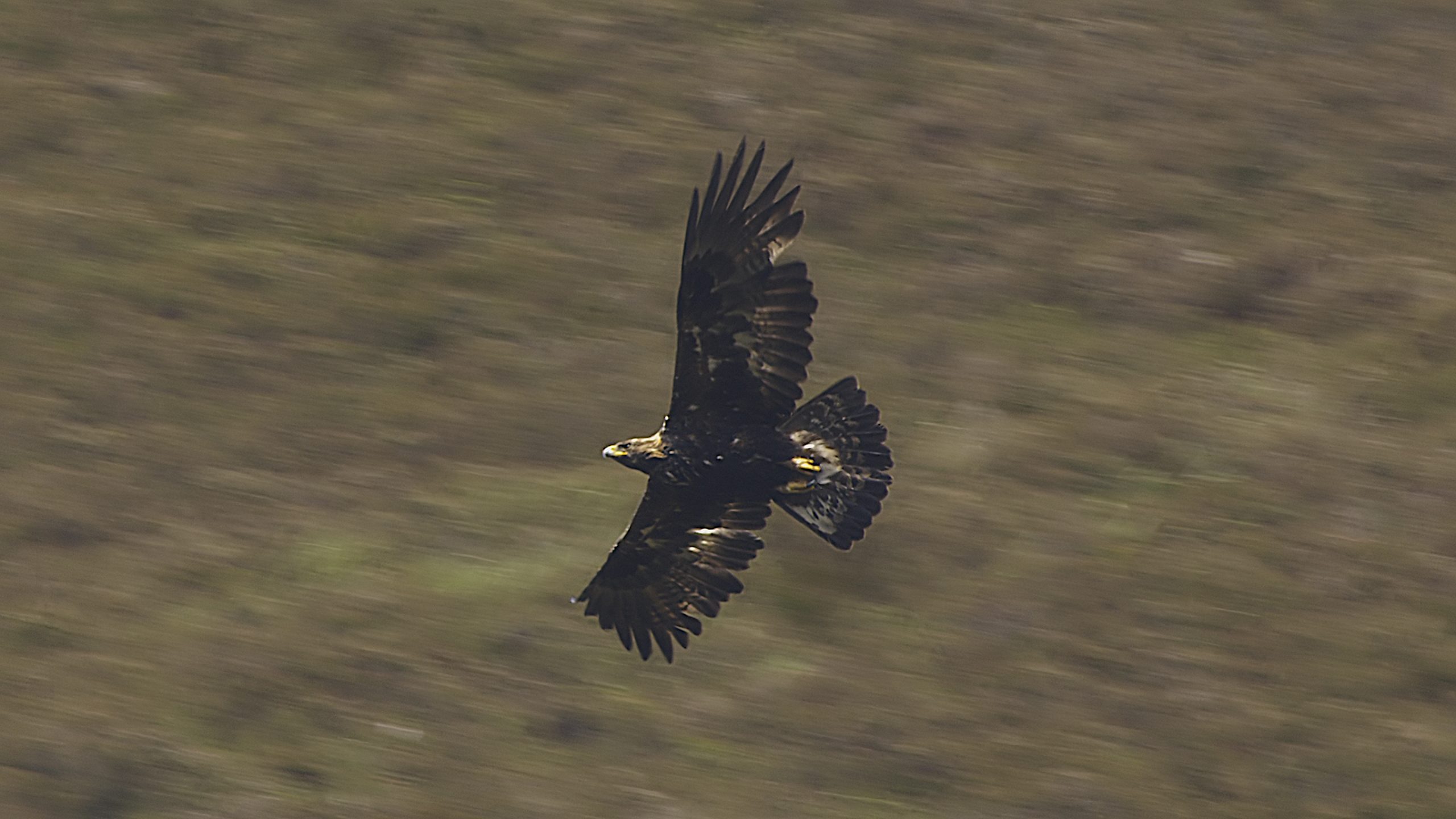
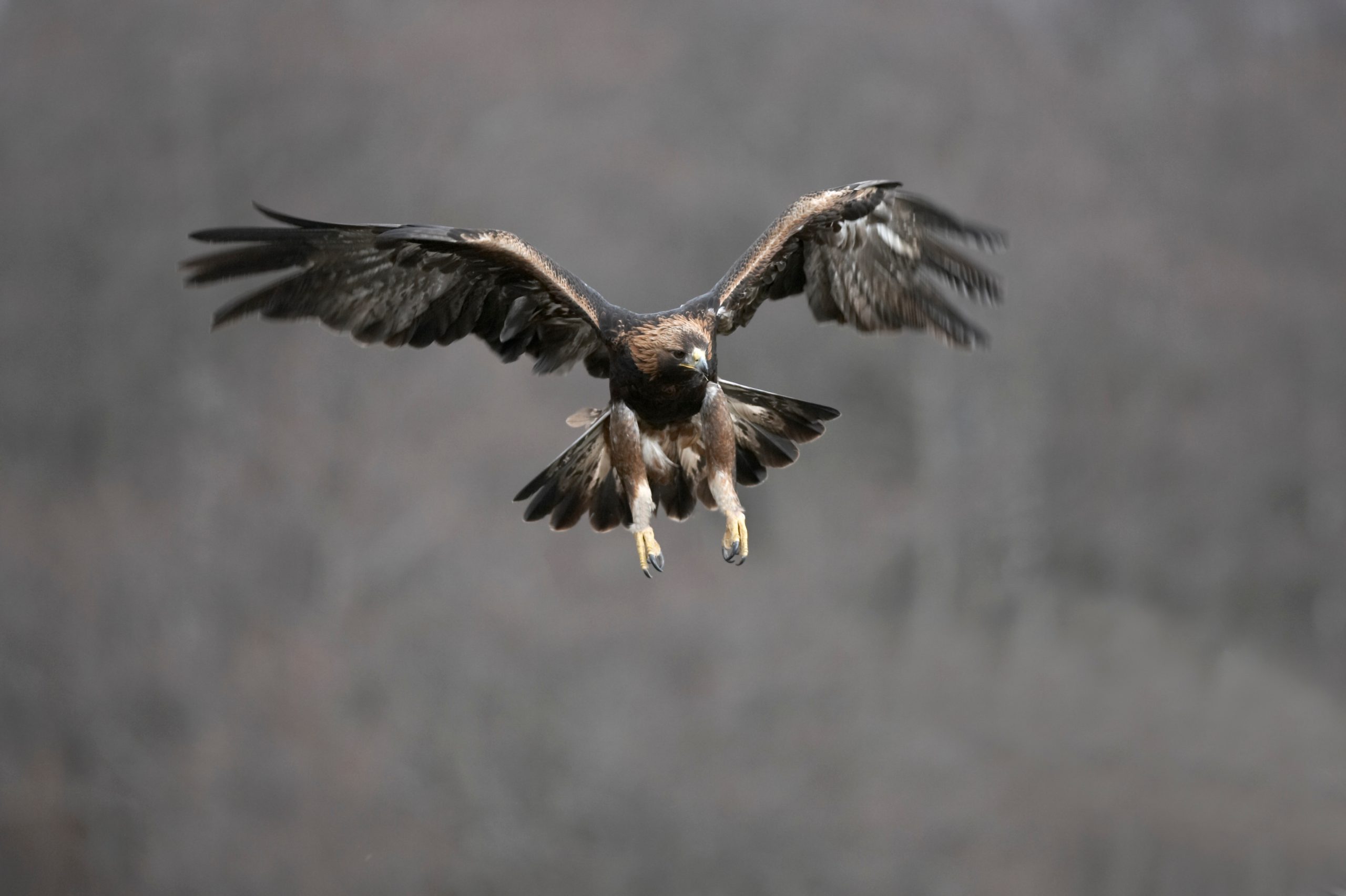
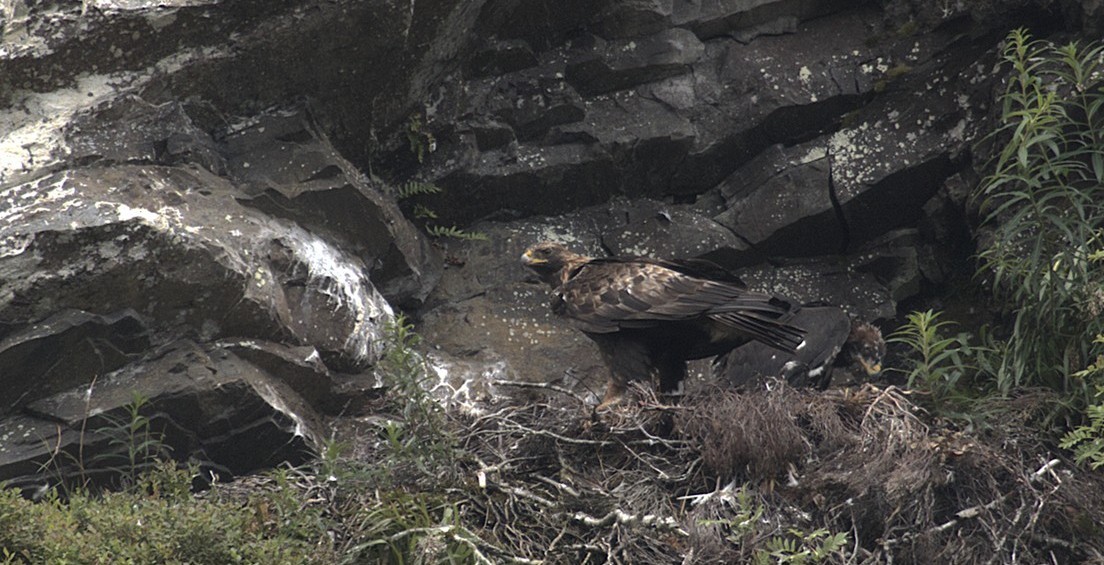
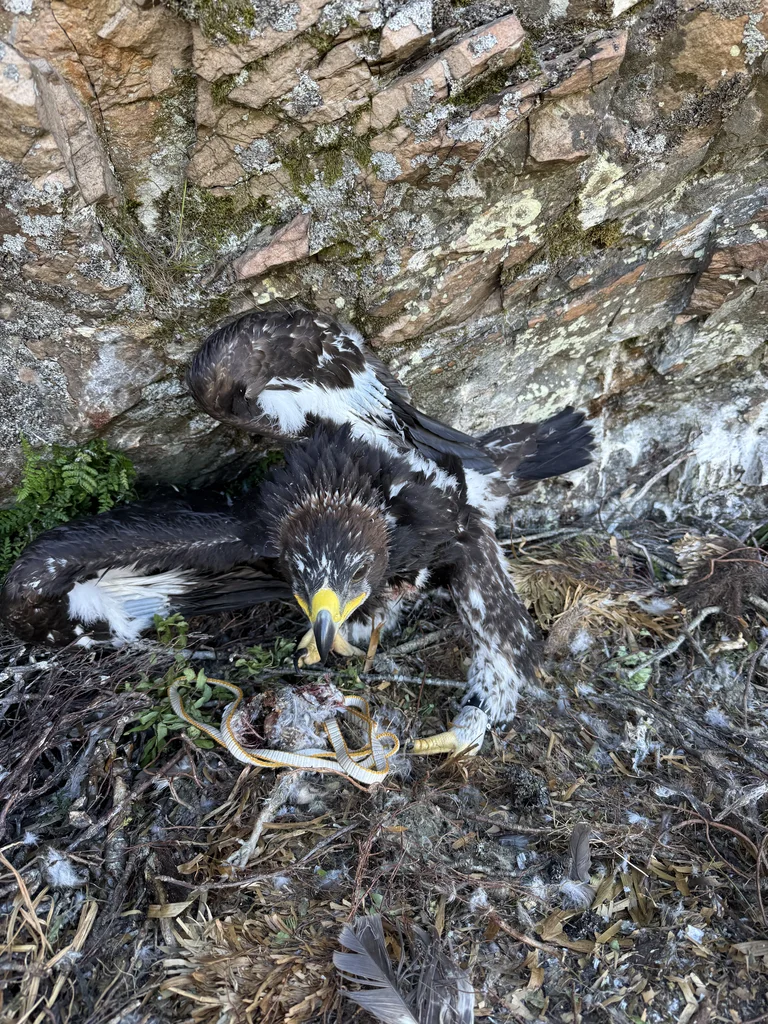
Following a Young Golden Eagle Across Scotland
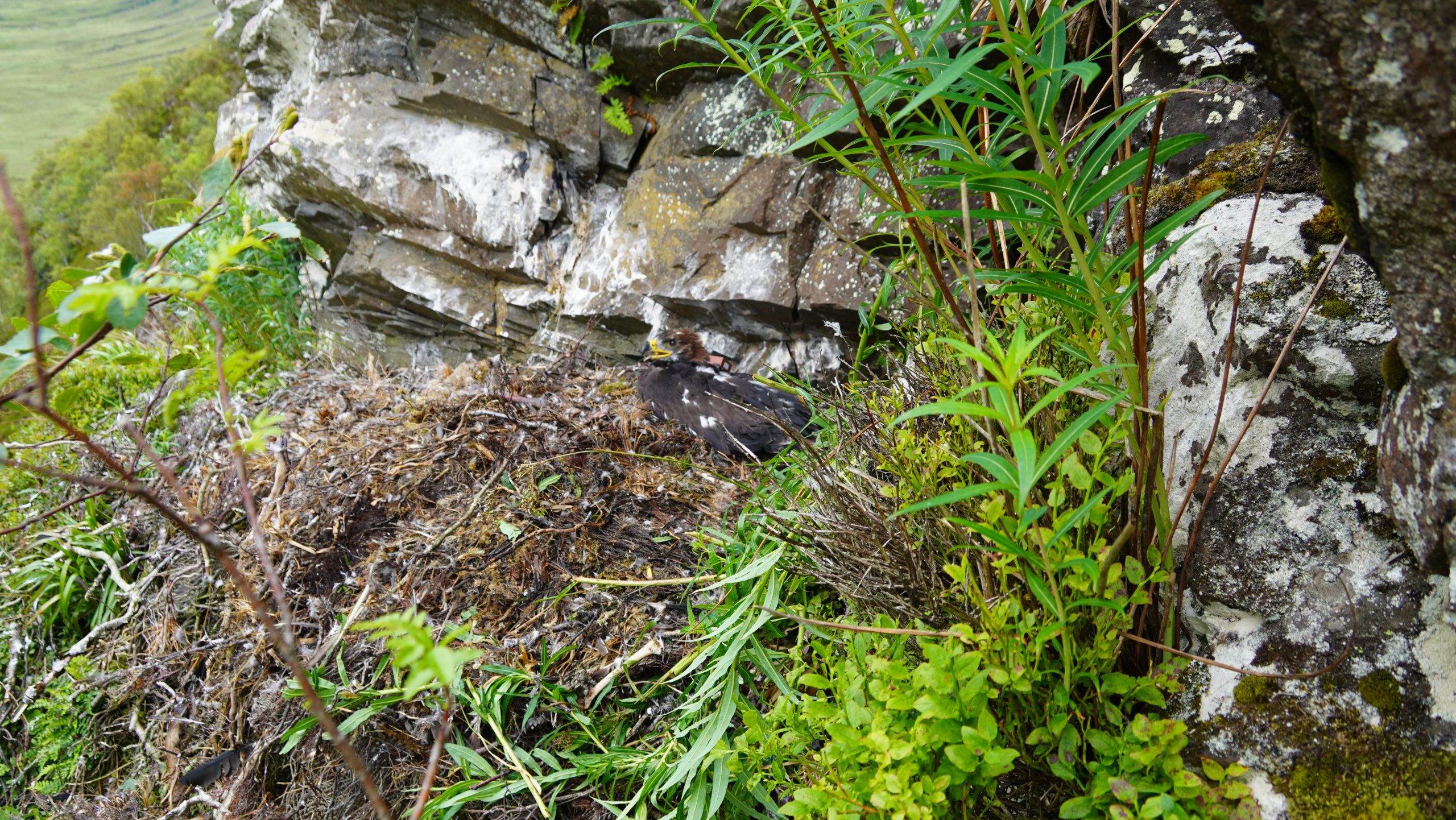
On the 11th of July 2024, a young chick was fitted with identification rings and a lightweight satellite tag under the license of the British Trust of Ornithology. The young male identified as 175 initially remained close to his parents, relying on them for food while developing his flying skills. By the autumn in November 2025, he began venturing further afield, marking the start of an extraordinary journey across the Scottish Highlands.
Over the following two years the satellite data recorded extensive movements between the Northern Highlands and the Cairngorms National Park. 175 repeated visits to familiar mountain ranges as well as exploring new areas across Scotland and Northern England. In April 2025, 175 travelled approximately 652 kilometres around northern Scotland, passing through the Northern Highlands before returning towards Alladale. Later that summer, he embarked on another remarkable expedition, covering 823 kilometres over 12 days before returning to his preferred summer range in the Cairngorms. His explorations continued into 2026, including a 299-kilometre journey from the Cairngorms towards the Northern Highlands in April followed by a return trip totalling 591 kilometres.
These movements reflect a natural stage in the development of young golden eagles. They typically remain nomadic until around four to six years of age, when they begin establishing breeding territories and seeking a mate. During this period, they explore different landscapes, develop their hunting skills and learn to navigate their environment.
How Satellite Tracking Aids Conservation Efforts
Tracking an individual eagle over several years allows researchers to build a detailed picture of its movements and behaviour that would be difficult to obtain through observation alone. This information helps conservationists understand how young eagles use Scotland’s landscapes, identify favoured habitats and investigate how factors such as food availability, weather and competition influence their movements. Satellite tracking can also provide an early indication of potential threats. If a tag suddenly stops transmitting, the last recorded location may help researchers investigate what happened, including the possibility of illegal persecution.
By building a clearer understanding of golden eagle movement and behavioural ecology, this research can contribute to wider efforts to inform conservation strategies and support the species’ recovery.
The Roy Dennis Wildlife Foundation & The European Nature Trust
Established in 1995 by Roy Dennis OBE, the Roy Dennis Wildlife Foundation has become a leading force in species restoration, pioneering bird migration research and championing the recovery of natural ecosystems across the UK and beyond.
The relationship between Roy Dennis and Alladale Wilderness Reserve stretches back decades. In 2014, the Foundation tracked a young golden eagle from the reserve as part of a wider study involving 21 eagles in Scotland. Since then, the reserve has continued to provide opportunities to monitor the species as its breeding population develops.
In 2024, the Foundation supported by TENT began the satellite tracking of the young golden eagle 175 at Alladale Wilderness Reserve. The resulting report documents the first two years of the eagle’s life after fledging, offering a fascinating insight into how young golden eagles explore Scotland before establishing territories of their own
Explore two years of satellite tracking data, maps and observations in the Roy Dennis Wildlife Foundation’s report
Read the full report: Alladale Wild Fledged Golden Eagle.
Share This Post
Discover More

Walking in the Footsteps of the Lone Wolf, with Adam Weymouth
Our new Ambassador dives into the relationship between wolves and humans.
Read More
Seven days looking for bears in Europe’s Yellowstone – the May 2026 Romanian Coexistence Adventure
Tales from an unforgettable trip in support of a new National Park.
Read More